

The philodendron Bipennifolium Aurea is a tropical plant native to Venezuela, Suriname, and Brazil (North, Northeastern to Southeastern). The plant is relatively easy to care for and thrives in a range of conditions, making it a popular choice for indoor gardening. It is known for its ability to purify the air and add a touch of greenery to any space.
What is Philodendron Bipennifolium Aurea Plant?
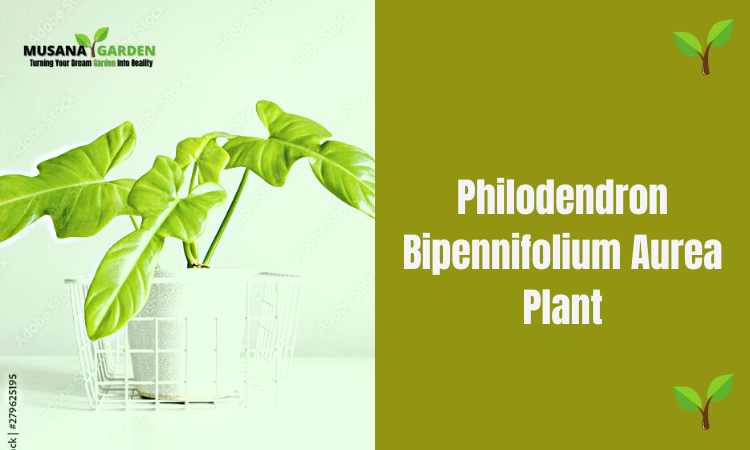
The Philodendron species known as ‘Aurea’ is exceptionally rare and beautiful in its own right. This plant is difficult to overlook due to the striking appearance of its lime-green hue and unusually shaped leaves.
Philodendron bipennifolium Aurea is a cultivar of the species Philodendron bipennifolium, which has leaves that are a shade of green that is darker than ‘Aurea.’ As the plant ages, the leaves of Philodendron bipennifolium Aurea just like those of many other members of the genus, transform into a different shape. When the plant is young, the leaves are simple and oval; however, as the plant ages, the leaves transform into lobed leaves that roughly resemble the head of a horse.
Because of the shape of its leaves, the Philodendron bipennifolium ‘Aurea’ plant is also known by its more common name, the Horsehead Philodendron. The Philodendron bipennifolium ‘Aurea’ is a plant that requires little attention compared to many other types of Philodendrons. This is not at all a difficult plant to care for! It does have a few peculiar characteristics, and being aware of those characteristics will help your plant grow. We have compiled all of the information you need to have a successful experience here.
How To Grow And Care Philodendron Bipennifolium Aurea Plant
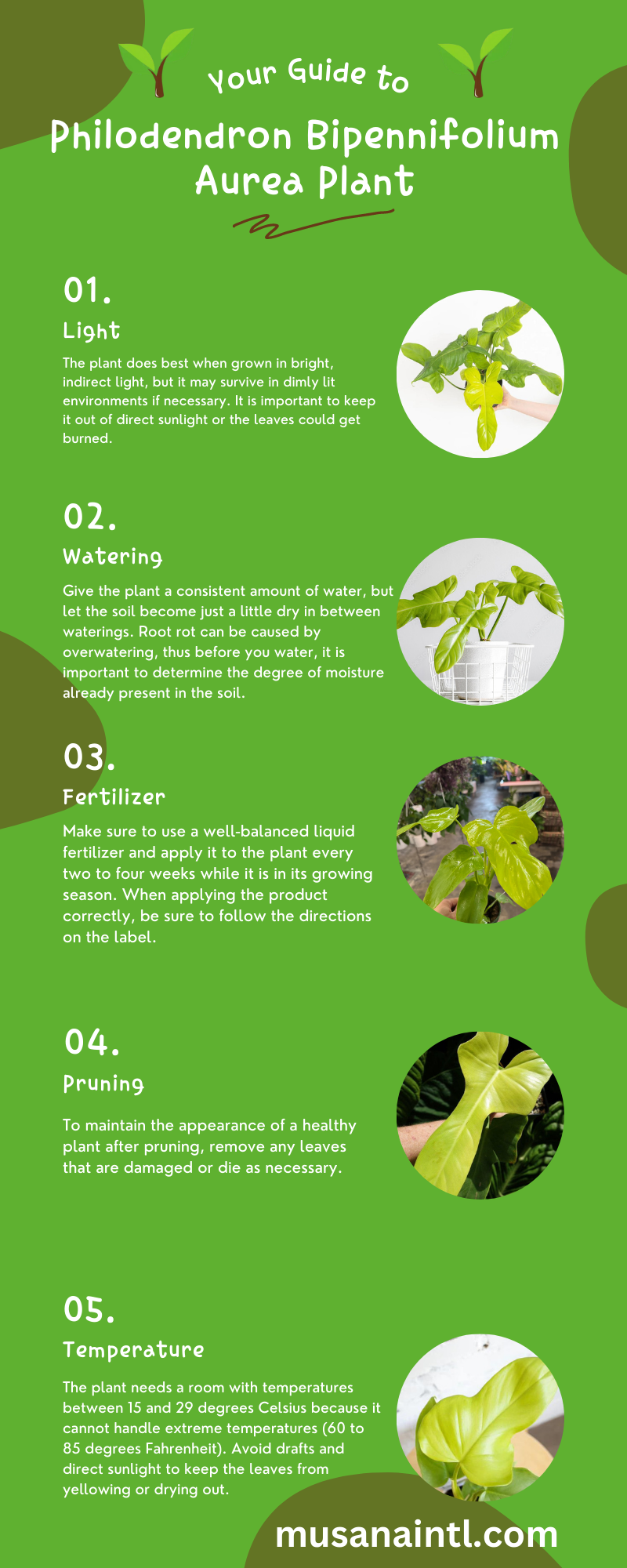
Care for a Philodendron bipennifolium aurea can be accomplished with the following suggestions:
Light:
The plant does best when grown in bright, indirect light, but it may survive in dimly lit environments if necessary. It is important to keep it out of direct sunlight or the leaves could get burned.
Water:
Give the plant a consistent amount of water, but let the soil become just a little dry in between waterings. Root rot can be caused by overwatering, thus before you water, it is important to determine the degree of moisture already present in the soil.
Soil Mixture:
When it comes to the soil, make sure to use a mixture that drains effectively, such as peat-based potting soil, so the plant’s roots don’t become waterlogged.
Temperature:
Because the plant cannot tolerate temperatures that are too high or too low, it needs to be kept in a room with temperatures that range from 15 to 29 degrees Celsius (60 to 85 degrees Fahrenheit). If you want to prevent the leaves from becoming yellow or drying out, you should avoid placing the plant near drafts or in direct sunlight.
Fertilizer:
Make sure to use a well-balanced liquid fertilizer and apply it to the plant every two to four weeks while it is in its growing season. When applying the product correctly, be sure to follow the directions on the label.
Pruning:
To maintain the appearance of a healthy plant after pruning, remove any leaves that are damaged or die as necessary.
Repotting:
The plant should be repotted every two to three years, or whenever the roots begin to crowd the container in which they are growing. Choose a container that is marginally bigger than the one you’re using now, and fill it with a soil mixture that drains properly.
If you give your Philodendron bipennifolium aurea the care that is outlined in this article, it will flourish, and you will be able to admire its gorgeous, glossy leaves for many years to come.
Is Philodendron bipennifolium ‘Aurea’ Pet Safe?
It is generally believed that it is unsafe for pets to be in the same area as Philodendron bipennifolium ‘Aurea,’ but it is always recommended to err on the side of caution and keep plants out of reach of dogs, particularly if they tend to nibble on plants. Some varieties of Philodendron, including Philodendron bipennifolium ‘Aurea,’ are known to be poisonous to animals if they are consumed, thus pets should avoid these plants.
Ingestion of any plant material, including Philodendron bipennifolium ‘Aurea,’ on the other hand, has the potential to induce gastrointestinal distress in animals, which is why it is better to keep dogs from eating any plants at all. If you are concerned about the safety of your plant, you should get additional information about it from a qualified source, such as the Animal Poison Control Center at the American Society for the Prevention of Cruelty to Animals (ASPCA).
Check Out This Trending Guide Below
- Philodendron Strawberry Shake plant Guide
- philodendron painted lady plant Guide
- Philodendron Ring of Fire Plant Guide
- Philodendron Blizzard Plant Guide
- Philodendron Golden Violin Guide
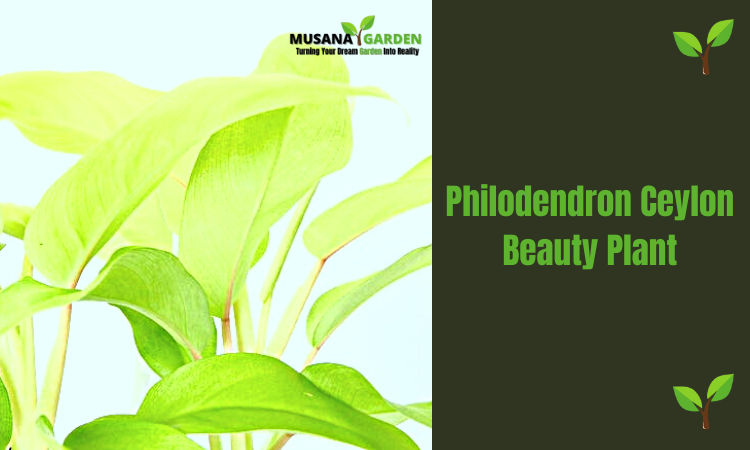
- Philodendron Ceylon Beauty Guide
- Philodendron Golden Crocodile Guide
- Philodendron Whipple Way Guide
- Philodendron Caramel Marble vs Ring of Fire Guide
How to Propagate Philodendron Bipennifolium Aurea Plant
Plants of the Philodendron bipennifolium aurea species can be multiplied in several different methods. You could give the following approach a shot:
Gather the necessary equipment, including a pair of scissors or a knife with a sharp blade, a rooting hormone, and a container that is filled with a soil mixture that drains well.
Choose a Stem: Search for a robust stem that has several leaves attached to it. The length of the stem ought to be at least six inches in total.
Cut the stem: With a sharp knife or pair of scissors, make a cut in the stem right below one of the leaf nodes (the point where a leaf emerges from the stem). The cutting should be made at a 45-degree angle to facilitate easier rooting of the cutting.
Apply rooting hormone: To hasten the process of the cutting taking root, apply rooting hormone by dipping the end of the stem that was cut into the solution.
Plant the cutting: Put the cutting into the soil-filled pot, being careful to bury the leaf node slightly below the surface of the soil. The cutting will have a better chance of taking root if you softly water the soil.
Make sure there is a lot of moisture in the air by placing the pot in a plastic bag or covering it with plastic wrap to make sure there is a lot of moisture in the air. This will enable the cutting to take root. This will assist in preventing the soil and the area around the cutting from drying out.
Ensure that the cutting is receiving enough amount of indirect light and that the soil is kept damp at all times without becoming overly saturated. It could take anywhere from a few weeks to a few months for the cutting to establish new root growth and begin producing new leaves.
By carrying out the procedures outlined in this guide, you will be able to start your own Philodendron bipennifolium aurea plant propagation and add more of these stunning plants with glossy leaves to your collection.
Common Philodendron Bipennifolium Aurea Problems And Their Solutions
When cultivating Philodendron bipennifolium aurea, you might run into some of these typical issues, but there are also some potential remedies to these issues:
The appearance of yellowing leaves may be a symptom of either overwatering or underwatering the plant, or it may be due to a lack of light. Check the moisture content of the soil, and make any necessary adjustments to the watering plan. Be sure that the plant is receiving enough amount of indirect light, and if necessary, think about relocating it to a more brightly lit area.
Leaves that have turned brown or crispy could be an indication that they have been exposed to an excessive amount of direct sunlight, which can cause the leaves to dry out and turn brown. To stop the damage from worsening, you should relocate the plant to somewhere with indirect lighting.
The growth that is stunted may be an indication that the plant is being over or under-watered, or it may be the result of a deficiency in light or nutrients. Check the moisture content of the soil, and make any necessary adjustments to the watering plan. It is important to ensure that the plant is receiving enough amount of indirect light, and you should also consider dosing it with a balanced liquid fertilizer every two to four weeks while it is in its growing season.
Pests The Philodendron bipennifolium aurea plant is susceptible to a variety of pests, including spider mites, mealybugs, and aphids. Try out a natural approach to pest management, like neem oil or horticulture soap, to get rid of these unwanted critters. You may need to employ a chemical pest control remedy if the infestation is particularly severe. When applying these items, make sure you follow the recommendations on the package and use extreme caution.
You can maintain the health of your Philodendron bipennifolium aurea and ensure that it continues to thrive by recognizing and resolving the most common issues that affect it.
More Guide
- Philodendron dark lord vs majesty Comparison
- Philodendron Fuzzy Petiole Vs Nangaritense Guide
- Philodendron Melanochrysum Vs Micans Guide
- Philodendron Plowmanii Vs Mamei best comparison Guide
- Philodendron Pedatum Vs Florida Guide
- Philodendron Red Sun Vs Prince Of Orange