
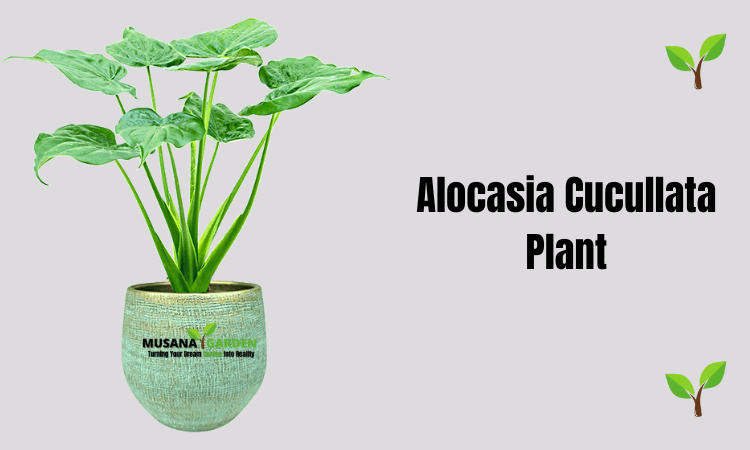
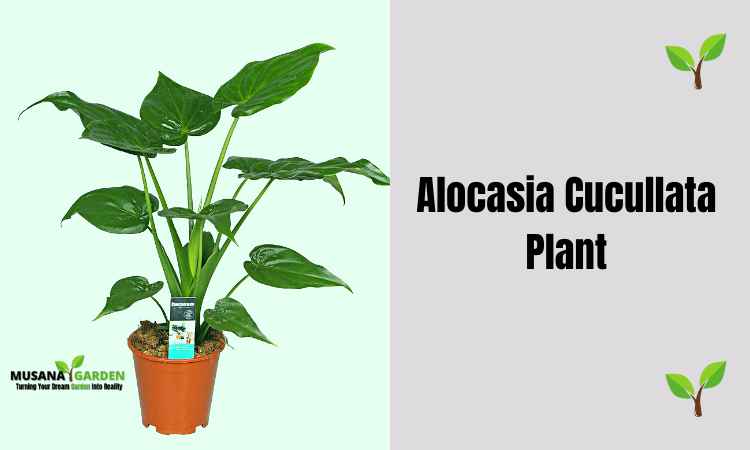
“Buddha’s Palm” Alocasia Cucullata is a popular houseplant. Its name comes from its slender stems and big heart-shaped leaves that wave in the slightest breeze.
Cucullata thrives in bright, dappled sunshine. It needs moderate humidity. Alocasia Cucullata plants like misting and warm temps. These beauties prefer moist, well-drained soil.
Alocasia Cucullata is a tropical elephant ear plant. The tiny Cucullata species is good for houseplants.
This evergreen shrub is hardy and easy to grow in containers indoors or outdoors.
The attractive and elegant Alocasia Cucullata plant is a popular indoor houseplant. Houseplant aficionados hang it from baskets.
Alocasias are arum relatives. They thrive in Borneo’s tropical jungles. This gorgeous tropical plant includes about 79 species.
Alocasia was formerly edible. Decorative inedible types have been bred.
Alocasia Cucullata has glossy dark green foliage. The plant produces close-packed foliage. Cucullata plants grow to 60 inches tall (152 centimeters).
The Alocasia Cucullata plant brings luck. Thai Buddhist temples grow it. Its thick greenery makes any place look peaceful.
These tropical beauties require little care. They need typical household conditions.
Alocasia Cucullata traits
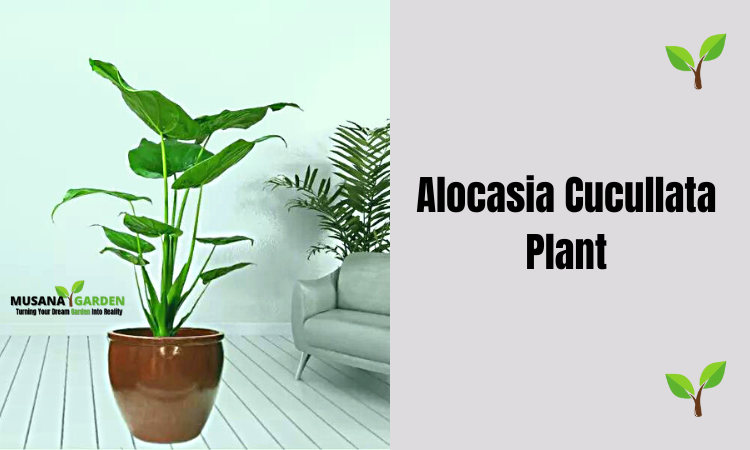
Summer Alocasia Cucullata flowers are white or cream. However, the plant’s luscious green foliage dwarf them.
Its distinctive foliage makes Alocasia cucullata a popular houseplant. The plant reaches 90cm. 15-inch-by-11-inch heart-shaped leaves have pronounced veins.
How to take care of an Alocasia cucullata - 8 Tips For Beginners

Follow these steps to take care of an Alocasia cucullata plant:
- Give off bright light from the side. The plant likes indirect or filtered sunlight, but it can also grow in low light.
- Keep the soil moist, but don’t let it get too wet. Before you water again, let the top inch of soil dry out.
- Keep the air around the plant humid by misting it often or putting a tray of water near it.
- During the growing season, use a balanced liquid fertilizer once a month to feed the plant.
- Keep it between 60 and 85°F (15 and 29°C).
- Alocasia cucullata needs a lot of food, so you should use a balanced liquid fertilizer to feed it every two to three weeks during the growing season.
- Keep an eye out for pests like spider mites, mealybugs, and scale insects, and if you see any, get rid of them right away.
- Keep the plant in a pot with holes for drainage and use potting mix that drains well.
Alocasia cucullata is a tropical plant, so it is best to bring it inside before the first frost and keep it in a warm room with high humidity during the winter.
Alocasia Cucullata Detailed Maintenance Guide
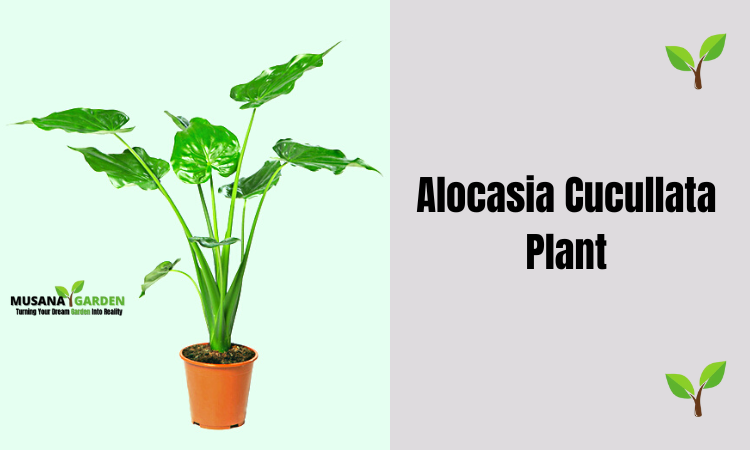
Follow this crucial care advice to keep your Alocasia happy and healthy.
Soil
Loose, well-draining, slightly loamy soil suits Alocasia Cucullata. Keep the soil dry to avoid infection.
Use organic, well-aerated, peat-moss-rich loose soil. Add perlite or builder’s soil to heavy planting soil.
Before watering Cucullata, let the top 1–2 inches of soil dry off. This prevents fungal infection by maintaining moisture.
This tropical species prefers soil pH 5.5–6.5. (slightly acidic). Soil acidity helps plants absorb nutrients. Loam potting mix is best.
For a happy Alocasia Cucullata, keep the soil moist.
Light
Alocasia plants need simple lighting. Most tropical plants like bright, filtered sunshine. However, direct light can scorch leaves.
Put your Cucullata in dappled indirect sunshine. Place it near a window or inside your balcony door. Avoid bright light.
Ask about sun-training before buying a Cucullata plant. Plants with greener leaves may resist stronger light beams.
Avoid forcing your plant to thrive in poor lighting. Healthy plants with green leaves are better than desiccated ones.
Your plant may be growing toward a brighter place if it has lanky stems or moves excessively. Move your Cuculatta plant to a sunny, partially-shaded site.
More Trending Guide:
- Alocasia purple sword Care
- Alocasia wentii Care
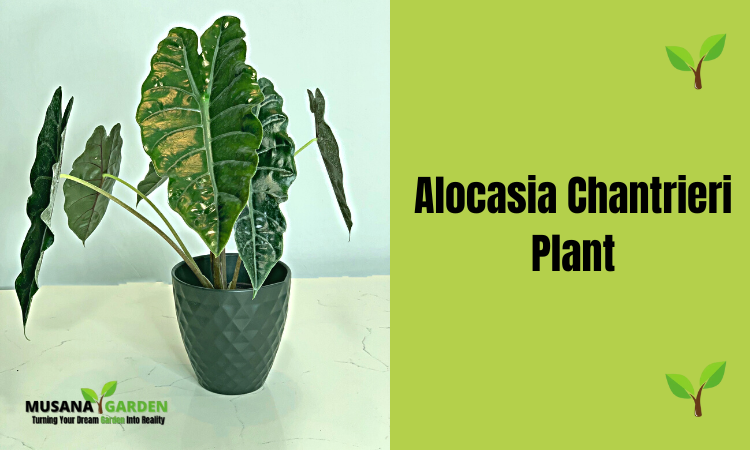
- Alocasia Chantrieri Guide
- Alocasia Frydek Variegated Care Guide
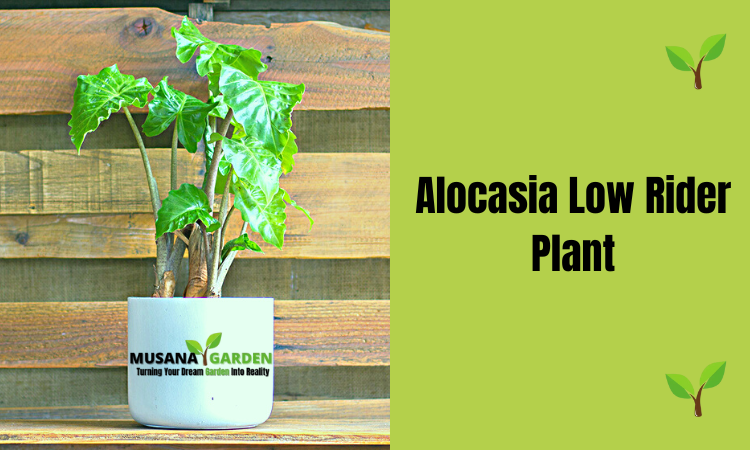
- Alocasia Low Rider Care
- Alocasia Dragon’s Breath Care
- Alocasia Dark Star Care
- Alocasia Jacklyn Guide
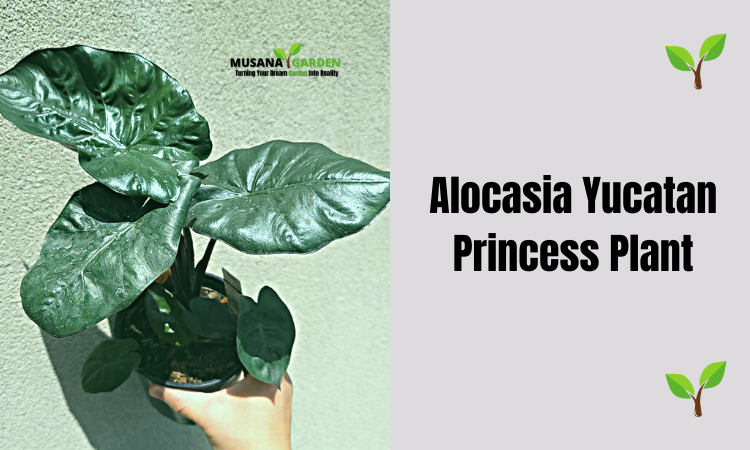
- Alocasia Yucatan princess Care
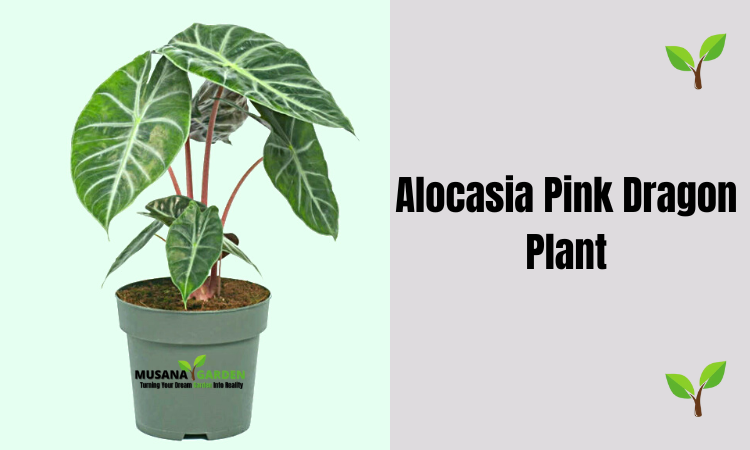
- Alocasia Pink Drago Guide
Watering
Watering once a week is enough for Alocasia Cucullata. Season and environment may modify its needs. Before watering, let the top 2–3 inches dry off.
Water your Cucullata plant only when needed in winter. Water the Cucullata plant evenly to reach all sections. Overwatering the Cucullata plant causes diseases like other plants.
Wet leaves, root-rot, discolored leaves, and more can indicate infection. This can ruin houseplants. Water your Cucullata plant lightly until its soil is damp, not wet, to avoid such issues.
Water your Alocasia Cucullata plant by checking its soil. When overwatered, the Cucullata plant’s leaf tips create little droplets, a great trait. Drains excess moisture.
However, this water might irritate skin and injure pets. Thus, carefully wipe it off using a cloth.
Temperature
Tropical jungle Alocasia Cucullata. This tropical beauty likes warm weather. 64–72 degrees Fahrenheit is excellent (18 to 22 degrees Celsius).
Most homes are this temperature. This makes Cucullata plant growth easy. Keep your Cucullata plant away from air conditioners and heaters to help it grow.
In high conditions, keep the Cucullata plant indoors. It can withstand harsh circumstances for a while. It loses all its leaves in temps below 60 degrees Fahrenheit.
Temperature-sensitive Alocasia Cucullata. Thus, monitor your Cucullata plant’s temperature.
Fertilizer
The Alocasia Cucullata plant has significant food needs. From late March through September, feed your Cucullata plant an excellent fertilizer every two weeks or twice a month.
Slow-release or diluted liquid fertilizers can also be used. Please do not feed the plant in winter because it does not grow.
Over-fertilizing your Alocasia Cucullata plant can create salt buildup and scorched leaf tips.
Humidity
Alocasia Cucullata thrives under extreme humidity. Cucullata plants prefer 65%–80% humidity. Keep it above 60% to avoid leaf drying.
They adore dampness, but don’t overwater the plant by sprinkling it. High amounts make the plant susceptible to infection and disease.
But keep the humidity high enough for the plant to flourish. Put your Alocasia Cucullata plant on a tray with pebbles and water if your humidity is low. Add water to just below the plant’s roots.
Techies can use a humidifier to increase humidity.
To increase humidity, spray lukewarm water around it. Group your houseplants.
Repotting
Alocasia Cucullata’s beautiful, green, heart-shaped foliage looks great. However, put it in elegant pots and baskets to enhance its appeal. For repotting, Cucullata plants want a container that accommodates their roots.
The Cucullata plant requires annual repotting. Healthy development requires slightly packed roots. Start summer and spring by repotting it.
Winter growth is slow. It doesn’t need repotting at this time.
Pruning
Alocasia Cucullata is big. It can be an issue without enough room to expand. Thus, it may need periodic pruning for size control.
Cut 1–2 Cucullata vines with pruning shears or scissors. Since fresh leaves grow at the top, cut the lower leaves.
Yellow and dead leaves are unsightly, so clip them off. Age or fungal infection may cause this appearance.
Pruning yellow and dead leaves makes your plant look delicate and elegant and reduces disease spread.
Before planting, sterilize your gardening tools. This reduces infection.
Blooms
Summer Alocasia Cucullata flowers are white or cream. They’re little compared to the plant’s beautiful green leaves. Mostly grown for its unusual leaves.
Growth
Alocasias Cucullata produces big heart-shaped leaves. It grows largely in summer and spring and goes dormant in fall and winter.
13-foot Cucullata plants (4 meters). Fast-growing. They quickly drop old leaves and grow new ones.
Give it the right circumstances to grow tall and strong.
Propagation
Alocasia Cucullata grows from underground rhizomes. Splitting rhizomes propagates Cucullata plants well.
Propagate this tropical species in spring or early summer. The Cucullata plant is emerging from winter slumber.
Before propagation, sanitize your gardening tools. Rub alcohol kills bacteria and prevents illness.
Rhizomes
To propagate Cucullata, follow these steps:
- Prepare organic, well-draining potting mix and chlorine-free water.
- Dig around a mature Cucullata with a shovel.
Take it up. - Dig 12 inches around the plant to avoid injuring its roots and rhizomes.
- Next, gently pull the plant from the dirt and remove extra soil from the roots.
The Cucullata plant had lengthy tubers below ground. - Split each tuber. Tubers usually split easily. If you have trouble separating them, use a clean knife or scissors.
Place one tuber in a container and adjust its roots. - Water this container. Before adding chlorinated water to potting mix, wait 24 hours.
Finger-firm this mixture. Check for excess water.
Put this container in bright, dappled sunlight. - Water as needed and watch the plant grow.
- Liquid fertilizer can also boost growth.
Finally, patiently watch the plant grow. It may mature in weeks. The Cucullata plant prefers small pots and root-bound conditions.
Common Alocasia Cucullata Issues
Xanthomonas
This plant suffers from Xanthomonas. It appears as black or dark brown dots on the top or lower leaves with a yellow rim.
Watering the plant just when needed prevents this. Do not soak its roots in water, as that increases the risk of fungal or bacterial infection.
Sunburn
Sunlight can scorch Alocasia Cucullata leaves. Avoid direct sunlight for your Cucullata. Indoors is ideal. Only slightly shade it outdoors.
If the sun is not direct, you can set it outside in the late evening or early morning.
Pests/Diseases
Aphids, mealybugs, spider mites, and scale attack Alocasia plants. Insecticidal soap or spray every few weeks prevents attacks. This also keeps the plant dust-free.
Infestation? Get ultra-fine pesticide oil or Neem oil. This eliminates pests and eggs.
Yellow/Floppy Leaves
Alocasia leaves may fall spontaneously. The Cucullata plant can only contain so many leaves, therefore this is typical. This can help nourish the plant’s new foliage.
However, dropping an abnormal volume of leaves from diverse areas may be alarming. Check if your plant is over- or under-watered or move it to a brighter position with dappled sunshine.
Leaf-spot, crown, stem, and root-rot may affect Alocasia plants. Prevent these illnesses by not overwatering your plant and ensuring proper air circulation.
Frequently Asked Question
Where should you put an Alocasia cucullata plant to make it grow the best?
Alocasia cucullata does best with bright, indirect light, but it can also grow in low light. Don’t put the plant in direct sunlight because it can burn the leaves.
How often should my Alocasia cucullata be watered?
The soil should be kept moist, but not so wet that it can’t be worked. When the top inch of soil feels dry to the touch, it’s time to water. Don’t let the soil dry out all the way.
What kind of soil does Alocasia cucullata grow best in?
Alocasia cucullata grows best in humus-rich soil that drains well. The best mix is made of peat moss, perlite, and orchid bark.
How do I fertilize my Alocasia cucullata?
During the growing season, feed the plant a balanced, water-soluble fertilizer every 4 to 6 weeks. During the dormant season, you should do it less often.
What are some of the most common problems that Alocasia cucullata can have?
Leaf burn, brown tips, and leaf spot are all problems that happen often. Low humidity, too much direct sunlight, or too much fertilizer can cause these.
How do I propagate Alocasia cucullata?
Alocasia cucullata can be grown from stem cuttings or by dividing the plant. In the spring, you can cut off pieces of the plant and put them in water or soil to grow roots.
How do I know when it’s time to move my Alocasia cucullata?
When the roots of an Alocasia cucullata fill the pot and start to grow out of the drainage holes, it’s time to repot the plant. Most of the time, this will happen every 2 to 3 years.
Why are my Alocasia Cucullata plant’s leaves drooping?
The leaves may be drooping if they don’t get enough light or if they get too much or too little water. Think about the care you’ve been giving and change how often you water. Follow the above care guide and only water when it says to.
My Alocasia Cucullata has lost all its leaves! Should I put it in the trash?
Don’t just toss out your Cucullata plant right away. If you give it some time and extra care, it might just get its lush green leaves back and grow normally again.
Why do the leaves of my plant have spots?
Salts and chlorine in the water can cause spots on the leaves of Alocasias. Let the water sit for about 24 hours in a bucket before you give it to the plant. Use distilled water as an alternative.
How often should I move my Cucullata plant to a new pot?
About every 12 to 18 months, put it in a new pot. But Cucullata plants like to have their roots crowded, so don’t be in a hurry.
Why is my Alocasia Cucullata plant dying?
You might be giving your plant too much water, which is why the soil is so wet. Keep the soil damp, but not soggy, and only water it when it needs it. Also, for the best care, follow the tips above.
Last Thought
The Alocasia Cucullata is a tropical plant that stays green all year. It can be put in homes, offices, or buildings used for business. It has shiny, heart-shaped leaves that can brighten up any dull spot. If you give your Cucullata the right things, it will stay healthy and happy.
But its leaves have crystals of oxalate that can be harmful if eaten. It can make your stomach upset and cause your upper respiratory tract to swell up. So, keep the plant away from children and pets because it may make it hard for them to breathe.
More Guide
- Philodendron dark lord vs majesty Comparison
- Philodendron Fuzzy Petiole Vs Nangaritense Guide
- Philodendron Melanochrysum Vs Micans Guide
- Philodendron Plowmanii Vs Mamei best comparison Guide
- Philodendron Pedatum Vs Florida Guide
- Philodendron Red Sun Vs Prince Of Orange
- Philodendron Orange Marmalade
- Philodendron Imperial Green
- Philodendron Paraiso Verde Guide
- Philodendron Golden Dragon Guide
- Philodendron Florida Green Guide
- Philodendron silver stripe Care
- philodendron Shangri La Care
- Philodendron Cream Splash Care
- Philodendron Florida Ghost Guide
- Philodendron snowdrift Care